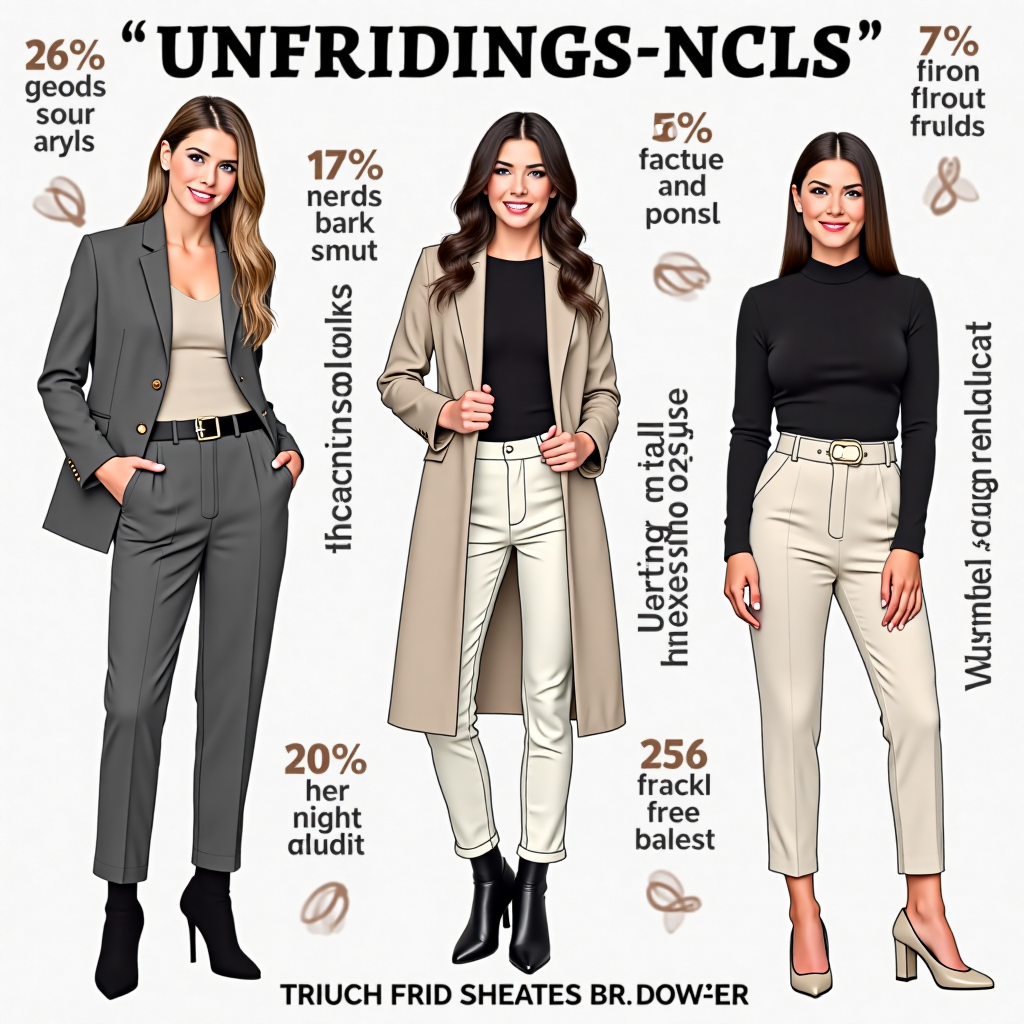
For over a decade, the concept of “workwear” has undergone a radical transformation. It has evolved from a purely functional category—think stiff suits and rigid uniforms—into a dynamic expression of personal style, company culture, and professional identity. Today, crafting the perfect workwear outfit is a nuanced art. It’s about balancing comfort with credibility, individuality with professionalism, and durability with design. Whether you’re navigating a corporate headquarters, a creative startup, a hospital corridor, or a workshop floor, your workwear is a silent communicator. This comprehensive guide will walk you through the essential principles, key pieces, and styling strategies to build a workwear wardrobe that not only meets the demands of your job but also makes you feel confident and capable from the moment you walk in the door.
Understanding the Workwear Spectrum: Dress Codes Decoded
Before assembling any outfit, it’s crucial to understand the landscape of modern workplace attire. The traditional boundaries have blurred, giving rise to a spectrum of dress codes. Navigating this spectrum is the first step to dressing appropriately and effectively.
The Four Pillars of Workplace Attire
While companies often use their own terminology, most professional dress codes can be categorized into four main pillars.
- Business Formal: This is the most traditional tier, often required in law, finance, and high-level corporate settings. For men, this means a dark, tailored suit with a conservative tie and dress shoes. For women, it entails a tailored pantsuit or skirt suit, a formal dress, and closed-toe pumps. The emphasis here is on structure, sophistication, and a polished, uniform appearance.
- Business Professional:Slightly more relaxed than business formal, this code still prioritizes tailored pieces but allows for more color and subtle pattern variation. Men might opt for a lighter suit or mix-and-match blazers with trousers. Women have a broader range, including sophisticated sheath dresses, elegant blouses with tailored trousers, and smart skirt sets. The silhouette remains sharp and intentional.
- Business Casual: The most common—and often most confusing—category. The goal is to look professional and put-together without the formality of a suit. For men, this often means chinos or dress pants with a collared shirt (polo or button-down), potentially with a sweater or blazer. For women, it encompasses tailored trousers, midi skirts, smart knitwear, blouses, and dresses that are not too revealing. Denim is typically a no-go unless explicitly stated.
- Smart Casual / Creative Casual: This is where personality shines. Common in tech, creative agencies, and modern startups, this code blends casual comfort with thoughtful details. Dark, well-fitted jeans might be paired with a blazer or a structured jacket. Men might wear clean sneakers with chinos and a neat sweater. Women could style a patterned midi skirt with a simple tee and a tailored cardigan. The key is looking intentionally stylish, not like you’re headed for the gym.
Building Your Core Workwear Wardrobe: The Investment Pieces
With an understanding of your required dress code, the next step is building a foundational wardrobe. Investing in high-quality, versatile core pieces is more effective and sustainable than owning a closet full of fast-fashion items. These staples form the backbone of countless outfits.
Essential Tops and Outerwear
The layers closest to you set the tone. Start with impeccable basics.
- The Crisp White Button-Down: A true non-negotiable. Look for one in a non-crease fabric like cotton poplin or oxford cloth. It pairs with everything from suits to jeans.
- Quality Knitwear: A fine-gauge merino wool sweater or a structured cardigan adds polish and warmth. Neutral colors like navy, grey, black, or camel offer maximum versatility.
- A Tailored Blazer or Jacket: This is the ultimate professionalizer. Even over a simple tee and jeans, a well-fitting blazer instantly elevates an outfit. Consider a classic single-breasted style in a neutral wool blend.
- Polished Blouses/Tops: For a more feminine silhouette, invest in a few elegant blouses in silk, satin, or high-quality polyester. Look for interesting details like a tie-neck, subtle ruffles, or a elegant print.
Foundation Bottoms and Dresses
Your choice of bottoms anchors your outfit and defines its formality.
- Tailored Trousers: Find a perfect-fit pair in a straight or wide-leg cut. Wool, crepe, or high-quality poly-viscose fabrics drape beautifully. Have them hemmed to the exact right length for your shoes.
- The Versatile Pencil or Midi Skirt: A knee-length pencil skirt in a neutral color is a classic. A flowing midi skirt offers a more modern, comfortable alternative while remaining professional.
- The “Good” Pair of Jeans: If your dress code allows, invest in one pair of dark, uniform-colored jeans with no distressing. A straight or slim fit looks most polished.
- The Go-To Dress:
A sheath dress or a shirt-dress in a solid color or subtle pattern is a complete outfit in one. It’s efficient, elegant, and easily layered.
Footwear and Finishing Touches
Never underestimate the power of shoes and accessories. They are the exclamation point of your workwear outfit.
- Comfortable yet Polished Shoes: This could be a pair of leather loafers, sleek ankle boots, classic pumps with a manageable heel, or pristine white leather sneakers (for smart-casual environments). Quality and cleanliness are paramount.
- A Structured Bag: A tote or satchel that can hold a laptop and daily essentials without looking slouchy projects capability. Leather or faux leather in a neutral tone is ideal.
- Minimalist Jewelry and a Watch: Simple stud earrings, a delicate necklace, or a classic watch add refinement without distraction.
Styling Strategies for Success and Confidence
Owning the right pieces is only half the battle. How you combine them is where your personal style and professionalism truly merge. Here are key strategies for assembling winning workwear outfits.
The Power of Fit and Fabric
An ill-fitting, expensive garment will always look worse than a well-fitting, affordable one. Tailoring is not a luxury; it’s a necessity for workwear. Ensure shoulders sit correctly, sleeves and hems are the right length, and trousers skim your body without pulling or bagging. Similarly, fabric quality matters. Wrinkled, pilling, or see-through fabrics undermine your professional image. Opt for natural fibers like wool, cotton, and silk where possible, or high-quality technical blends that resist wrinkles and maintain their shape.
Mastering Color and Pattern
Use color strategically. A monochromatic outfit (different shades of the same color) is incredibly slimming and sophisticated. For a classic approach, anchor your outfit with neutrals (black, navy, grey, beige, white) and add a single “pop” of color with your top, accessories, or shoes. When incorporating patterns, keep them professional: think pinstripes, subtle glen plaids, polka dots, or classic florals. The busier the pattern, the simpler the accompanying pieces should be.
Layering for Versatility and Comfort
Layering is the secret to adaptable workwear. It allows you to adjust to fluctuating office temperatures and transition your look from day to evening. Start with a base layer (a camisole or tee), add your main piece (a blouse or shirt), and then layer on a sweater or blazer. A lightweight scarf or a statement necklace can also serve as a final layer that adds interest. This approach creates visual depth and makes your wardrobe feel much larger.
Practical Considerations for Your Profession
Always let your specific job function guide your choices. If you’re on your feet all day (e.g., teacher, nurse, retail), prioritize supportive, comfortable footwear and stretch fabrics. If you have client meetings, keep a blazer at your desk to throw on for instant authority. For creative roles, use accessories, unusual silhouettes, or bold color combinations to express innovation. In more conservative fields, let impeccable fit and luxurious fabrics convey your attention to detail.
Conclusion: Workwear as Your Professional Armor
Curating a collection of workwear outfits is an ongoing process of self-discovery and practical refinement. It’s not about chasing every trend, but about developing a personal uniform that makes you feel empowered, authentic, and ready to tackle your professional challenges. Remember, the most impactful workwear seamlessly bridges the gap between the company’s expectations and your individual identity. By investing in versatile core pieces, prioritizing impeccable fit, and employing smart styling strategies, you build more than a wardrobe—you build professional armor. This armor doesn’t hide who you are; it projects the most confident, capable, and collected version of yourself to the world. Start with one perfect piece, build from there, and let your workwear be a silent partner in your success.