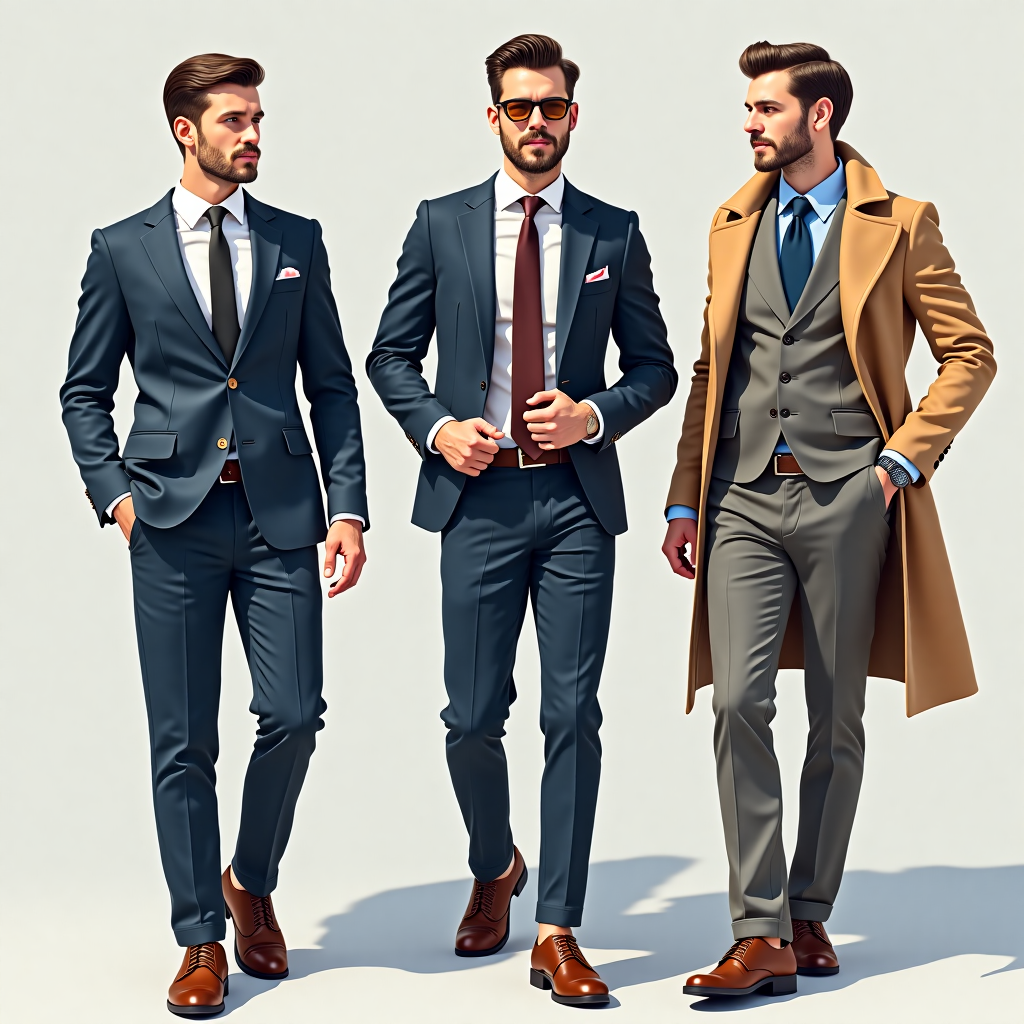
Does opening your closet door feel like staring into an abyss of unworn clothes, tangled hangers, and decision fatigue? You’re not alone. Many of us own wardrobes overflowing with garments, yet still struggle to put together outfits we feel confident in. The solution? Building a capsule wardrobe. This isn’t just a fleeting trend; it’s a conscious approach to dressing that prioritizes quality over quantity, versatility over novelty, and personal style over passing fads. Imagine opening your closet to find only pieces you love, that fit perfectly, and that mix and match effortlessly. That’s the promise of a well-curated capsule wardrobe. It’s about creating a streamlined collection of essential items that work together harmoniously, reflecting your unique style while simplifying your daily routine. Let’s dive into how you can achieve this sartorial serenity.
What Exactly is a Capsule Wardrobe?
At its core, a capsule wardrobe is a limited selection of interchangeable clothing pieces designed to maximize outfit possibilities while minimizing the number of individual items. The concept isn’t new; it gained popularity in the 1970s, often credited to London boutique owner Susie Faux, and was later championed by American designer Donna Karan and minimalist advocates. The modern interpretation focuses on intentionality: every piece serves a purpose and complements the others.
Contrary to popular misconception, a capsule wardrobe isn’t about deprivation or wearing only black and white (unless that’s your style!). It’s about curation and cohesion. Think of it as editing your closet down to the ‘greatest hits’ – the items that truly represent you, fit your lifestyle, and make getting dressed a joy, not a chore. The size can vary, but typically ranges from 25 to 50 pieces, including tops, bottoms, dresses, outerwear, and sometimes shoes, but often excluding accessories, underwear, workout gear, and specialty occasion wear.
Why Build a Capsule Wardrobe? The Compelling Benefits
The advantages extend far beyond just saving closet space:
- Save Time & Reduce Stress: Eliminate the morning scramble. With fewer choices and cohesive pieces, outfit creation becomes intuitive and fast.
- Save Money: Shifting focus from constant buying to mindful investing means purchasing higher-quality items less frequently, avoiding impulse buys that languish unworn.
- Discover Your Personal Style: The editing process forces you to identify what you truly love wearing, leading to a more authentic and consistent look.
- Promote Sustainability: By buying less and choosing well-made items, you reduce your fashion footprint, contributing to less textile waste.
- Ensure Everything Fits & Flatters: A capsule requires everything to be in good condition and fit well, boosting confidence daily.
- Simplify Travel: Packing becomes effortless when your clothes all work together seamlessly.
Your Step-by-Step Guide to Building a Capsule Wardrobe
Building a capsule wardrobe is a process, not an overnight event. It requires patience, honesty, and a willingness to edit ruthlessly. Follow these steps to create your personalized collection.
Step 1: The Essential Closet Audit & Purge
Before you can build, you need a clean slate. This is arguably the most crucial step.
- Empty Everything: Take every single clothing item out of your closet and drawers. Seeing it all together is eye-opening.
- Sort Ruthlessly: Create three piles: Love, Maybe, Discard. Be honest. For each item, ask: Does it fit *well* right now? Have I worn it in the last year? Does it make me feel good? Is it in good condition?
- Handle the “Maybe” Pile: Put these items in a box out of sight. If you don’t reach for them in 3-6 months, let them go.
- Discard Responsibly: Sell, donate, or recycle items in the discard pile. Avoid sending textiles to landfill.
Step 2: Define Your Lifestyle & Personal Style
Your capsule must serve *your* life. Reflect deeply:
- Lifestyle Analysis: What percentage of your time is spent at work (and what’s the dress code?), running errands, relaxing at home, attending events, exercising? Be specific.
- Style Preferences: What silhouettes do you feel best in? What colors consistently make you feel confident? Look at saved images, Pinterest boards, or outfits you’ve loved wearing. Identify recurring themes.
- Climate Considerations: Account for seasonal variations where you live. Will you need distinct capsules, or one adaptable year-round collection?
Step 3: Plan Your Capsule – The Blueprint
Now, strategize what pieces you need. Don’t think about specific items yet; think about categories and functions.
- Set a Number (Optional but Helpful): Aim for a manageable number (e.g., 35 items including tops, bottoms, dresses, outerwear). This provides a framework without being overly restrictive.
- Identify Core Categories: Think in terms of building blocks:
- Tops (e.g., tees, blouses, sweaters)
- Bottoms (e.g., jeans, trousers, skirts)
- Dresses/Jumpsuits
- Outerwear (e.g., jacket, coat, cardigan)
- *Optional: Shoes (often counted separately)
- Determine Quantities: How many of each category do you need based on lifestyle? A common guideline is the “70-30 rule”: 70% everyday essentials (like tees, jeans, sweaters), 30% elevated or statement pieces (like a blazer, silk blouse, or printed skirt).
- Choose Your Color Palette: Select a cohesive palette. Typically, this includes:
- Neutrals (Foundation – 60-70%): Black, navy, grey, white, cream, tan, brown. These are highly versatile mixers.
- Accent Colors (Personality – 30-40%): 2-4 colors you love that complement your neutrals and each other (e.g., burgundy, olive green, mustard yellow, soft pink).
Step 4: Selecting Your Pieces – The Art of Choosing
This is where your plan meets reality. Time to shop (mindfully!) or rediscover pieces from your “Love” pile.
- Prioritize Fit and Fabric: Fit is paramount. Nothing should be too tight, too loose, or uncomfortable. Opt for quality natural fibers (cotton, linen, wool, silk) or durable blends that feel good and wear well.
- Focus on Versatility: Each piece should ideally pair with at least three others in your capsule. Look for classic silhouettes that aren’t overly trend-driven.
- Invest in Quality Staples: Spend more on items you’ll wear frequently and that form the foundation (e.g., well-fitting jeans, a classic coat, a good blazer).
- Incorporate Personality: Don’t be afraid to include a few pieces that reflect your unique style – a patterned skirt, a colorful sweater, textured trousers. Ensure they still work with your palette.
- Fill Gaps Strategically: Identify missing pieces from your blueprint. Shop with a list to avoid impulse buys. Consider secondhand or sustainable brands.
Key Principles for a Successful Capsule Wardrobe
Beyond the steps, embrace these core principles to make your capsule work long-term.
The Power of Neutrals and Cohesion
Neutrals are the backbone because they create endless combinations. A white tee can pair with black trousers, jeans, a skirt, or under a cardigan or blazer. Cohesion comes from ensuring all your chosen pieces, including accent colors, harmonize. That bright red top needs to look just as good with your grey trousers as it does with your jeans.
Quality Over Quantity: Investing Wisely
Since you’ll wear each item more frequently, durability and quality become crucial. Look for:
- Fabric Content: Natural fibers often last longer, feel better, and age more gracefully than synthetics.
- Construction: Check seams (should be straight and secure), stitching, buttons, zippers, and lining quality.
- Brand Values: Consider supporting brands known for ethical production and sustainable materials.
While higher quality often means a higher price tag, view it as cost-per-wear. A $200 coat worn 100 times costs $2 per wear, while a $50 coat worn 5 times costs $10 per wear.
Versatility is King: The Mix-and-Match Mindset
Every piece should earn its place by being adaptable. Ask yourself:
- Can this top be worn with all/most of my bottoms?
- Can this dress be layered with jackets or cardigans for different looks?
- Can these shoes complement multiple outfits?
- Does this piece work for more than one occasion (e.g., office-to-dinner)?
Layering is a capsule wardrobe superpower. A basic tee becomes three outfits: alone, under a cardigan, or under a blazer.
Maintaining and Evolving Your Capsule Wardrobe
A capsule wardrobe is not static; it’s a living collection that should adapt to your life.
Seasonal Transitions (If Applicable)
If you live in a climate with distinct seasons, you might rotate capsules:
- Storage: Store off-season items properly (clean, folded or hung, in breathable containers).
- Transition Pieces: Utilize items that bridge seasons (e.g., lightweight sweaters, trench coats, ankle boots).
- Audit Before Rotation: When switching capsules, reassess each item. Does it still fit? Is it worn out? Do you still love it?
The “One In, One Out” Rule
To prevent closet creep, adopt this simple rule. If you add a new piece, commit to removing one. This forces you to consider if the new item truly adds more value than something you already own.
Regular Mini-Audits
Every few months, do a quick check-in:
- Is everything still being worn?
- Is anything damaged beyond repair?
- Has my lifestyle changed, requiring adjustments?
- Does anything no longer spark joy or feel like ‘me’?
This keeps your capsule relevant and functional.
Dealing with Trends and Occasions
Loving fashion doesn’t mean abandoning trends, but integrate them thoughtfully:
- Accessories: This is where trends can shine! Scarves, jewelry, bags, and shoes can add a trendy touch without disrupting your core.
- Rentals or Borrowing: For true one-off occasions (like a black-tie wedding), consider renting a gown or borrowing from a friend instead of buying.
- Mindful Additions: If a trend truly resonates and you can find a versatile piece that fits your palette, apply the “one in, one out” rule.
Common Capsule Wardrobe Pitfalls and How to Avoid Them
Even with the best intentions, challenges can arise. Here’s how to navigate them:
- Feeling Bored? Accessorize! A capsule thrives on accessories. Change your look with bold jewelry, scarves, belts, or different shoes. Experiment with tucking, knotting, or layering your existing pieces in new ways.
- Impulse Buying Creep? Implement a waiting period (e.g., 24-48 hours) before any non-essential purchase. Ask: “Does this fit my capsule criteria? What would it replace?”
- Life Changes? A new job, climate, or hobby might necessitate adjustments. That’s okay! Revisit your lifestyle assessment and edit your capsule accordingly. It’s meant to serve you, not constrain you.
- Starting Too Strict? If 30 items feels overwhelming, start with a larger number or focus on just one category first (like a workwear capsule). Flexibility is key.
- Ignoring How Clothes Make You Feel? Never keep something just because it fits a ‘neutral’ or ‘staple’ category if it doesn’t make you feel confident and comfortable. Your capsule should spark joy.
Conclusion: More Than Just Clothes – A Lifestyle Shift
Building a capsule wardrobe is about much more than organizing your closet; it’s a powerful exercise in intentionality. It challenges the societal pressure of constant consumption and invites you to define your style on your own terms. By focusing on quality, versatility, and pieces you genuinely love, you reclaim not just your closet space, but also your time, money, and mental energy. The process requires honesty and effort, but the rewards – effortless dressing, reduced decision fatigue, financial savings, and a lighter environmental footprint – are profound. Remember, it’s not about achieving perfection or adhering to a rigid set of rules. It’s about creating a curated collection that empowers you to feel confident and put-together every single day, freeing you to focus on what truly matters beyond your wardrobe. Start small, be patient, and enjoy the journey towards a simpler, more stylish you.